
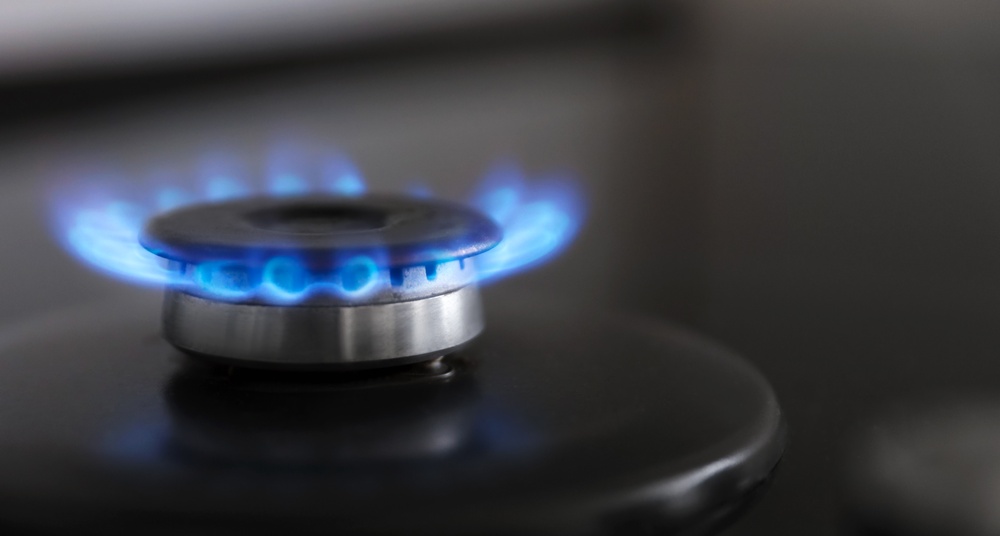
Freedom Appliance Repair Okotoks answers many calls about a gas stove yellow flame, and the question deserves a careful answer. A healthy burner flame burns blue with a small, steady inner cone. A flame that turns yellow, orange, or flickery signals incomplete combustion. Sometimes the cause is only a dirty burner. Other times it points to a gas or airflow problem that needs a professional. This guide explains what each flame colour means and what to do next.
What a Healthy Gas Flame Should Look Like
On a natural gas range, the flame should be mostly blue. You may see a tiny tip of yellow or orange at the very top, and that is usually harmless. The flame should sit evenly around the burner ring, with no gaps and no lifting off the ports.
A gas stove yellow flame is the classic warning that the mix is off. Blue means gas and air are mixing in the right ratio. That mix burns cleanly and produces little carbon monoxide. When the mix shifts and there is too little air, the flame turns yellow and lazy. It also produces more soot and more carbon monoxide.
Cooking can complicate things. Splatter, boil-overs, and salt can all cause brief orange sparks. Those sparks are normal. A flame that stays yellow after you wipe the burner is the sign that needs attention.
Gas Stove Yellow Flame: The Most Common Causes
A gas stove yellow flame rarely has just one explanation. The causes below are listed from easiest to fix to the most serious.
Dirty or Clogged Burner Ports
Food residue blocks the small holes around the burner cap. Gas then escapes unevenly and mixes with too little air. Cleaning the ports often restores a blue flame. Use a soft brush or a straightened paper clip, never a toothpick that can snap off inside.
A Misaligned Burner Cap
The cap must sit flat and fully seated on the base. If it tilts after cleaning, the flame will lean, flicker, and burn yellow. Lift the cap off, check the alignment pins, and set it back down gently.
Air Shutter Problems
Many ranges have an air shutter that controls the amount of air that enters the burner tube. If it shifts or clogs with dust, the flame loses oxygen. Adjusting this part involves the gas train, so leave it to a qualified technician.
Why a Gas Stove Yellow Flame Appears on Only One Burner
When only one burner burns yellow, the fault is almost always local to that burner. Suspect the ports, the cap, or a spill that ran into the burner base. When every burner turns yellow at once, look further upstream. The air supply, the fuel type, or the gas pressure becomes the main suspect. That difference alone saves a lot of guesswork.
Wrong Fuel Type or Orifice
A range set for natural gas will burn badly on propane unless a conversion kit is fitted. A yellow, tall flame after a move or a fuel change is a strong sign of a mismatch. Only a licensed gas fitter should convert or adjust the orifices.
Reading the Flame: A Quick Reference
Use this table to decode what you see. It shows the likely cause and the right response for each situation.
| What you see | Likely cause | Right response |
|---|---|---|
| Mostly blue, tiny yellow tip | Normal combustion | No action needed |
| Orange sparks for a few seconds | Splatter or dust on the burner | Wipe the burner and let it dry |
| Steady yellow flame on one burner | Clogged ports or tilted cap | Clean ports, reseat the cap |
| Yellow flame on every burner | Gas supply, air or fuel mismatch | Stop use, book a professional visit |
| Flame lifting off the burner | Too much pressure or wrong orifice | Turn off and call a technician |
| Soot on pots or the wall | Incomplete combustion | Stop use and have the stove inspected |
Why a Yellow Flame Matters for Safety
Incomplete combustion does more than ruin dinner. It releases carbon monoxide, a colourless, odourless gas that is dangerous in enclosed spaces. Health and fire safety agencies advise every home with a gas appliance to run a working carbon monoxide alarm.
Watch for the warning signs in your household. Headaches, dizziness, or nausea that ease when you leave the kitchen deserve attention. Black soot on the pots or the backsplash also suggests poor burning. If you notice any of these, turn the burner off and open a window.
The NFPA cooking safety guidance is a useful reference for general kitchen fire prevention. For anything related to gas flow or burner adjustment, rely on a qualified professional rather than a quick fix.
Safe Steps You Can Take at Home
Start with the steps below. They carry little risk, and many yellow flame problems end here.
- Turn off all burners and let the stove cool completely.
- Lift off the burner caps and wipe away loose debris.
- Clear each port with a soft brush or a straightened paper clip.
- Dry every part fully before you refit it.
- Seat the caps flat and relight the burner.
- Watch the flame for a full minute before you cook.
If the flame stays yellow after cleaning, stop using that burner. Do not adjust screws on the gas valve, and never try to modify the orifice yourself. If you ever smell gas, leave the home, avoid switches and flames, and call your gas utility from outside.
You can read more about ignition faults in our posts on why a gas stove keeps clicking but will not light and preventing gas stove ignition problems.
What a Technician Checks
When you call us about a gas stove yellow flame, the visit follows a clear order. First, we inspect the burners, caps, and ports. Next, we check the air shutters and the venturi tubes for blockage. Then we confirm the fuel type, the orifices, and the gas pressure at the range.
We also test the ignition system and look at the connections for leaks. After that, we explain what we found in plain language. You receive an honest quote after the assessment, before any repair begins. To learn more about our approach to ranges and cooktops, visit our stove repair service page.
Frequently Asked Questions
Is a yellow flame on my gas stove dangerous?
It can be. A yellow flame means incomplete burning, which raises carbon monoxide output. Turn the burner off, ventilate the room, and arrange an inspection if cleaning does not restore a blue flame.
Why did my flame turn yellow after I cleaned the stove?
The most common reason is a burner cap that sits crooked or a port that is still wet or blocked. Let everything dry, reseat the cap flat, and relight the burner.
Can I use a propane stove with a natural gas flame setup?
No. Each fuel needs the right orifice size and pressure. A mismatch gives a tall yellow flame and should be corrected by a licensed gas fitter.
Do I need a carbon monoxide alarm if I have a gas range?
Yes. Safety agencies recommend a working alarm near sleeping areas in any home with fuel-burning appliances. Test it regularly and replace it by the date the manufacturer gives.
Contact Freedom Appliance Repair Okotoks
If your burners stay yellow after cleaning, do not wait. Call Freedom Appliance Repair Okotoks at (403) 889-6068 to book an inspection. We serve Okotoks and Black Diamond, and we explain every finding before we start a repair.
