
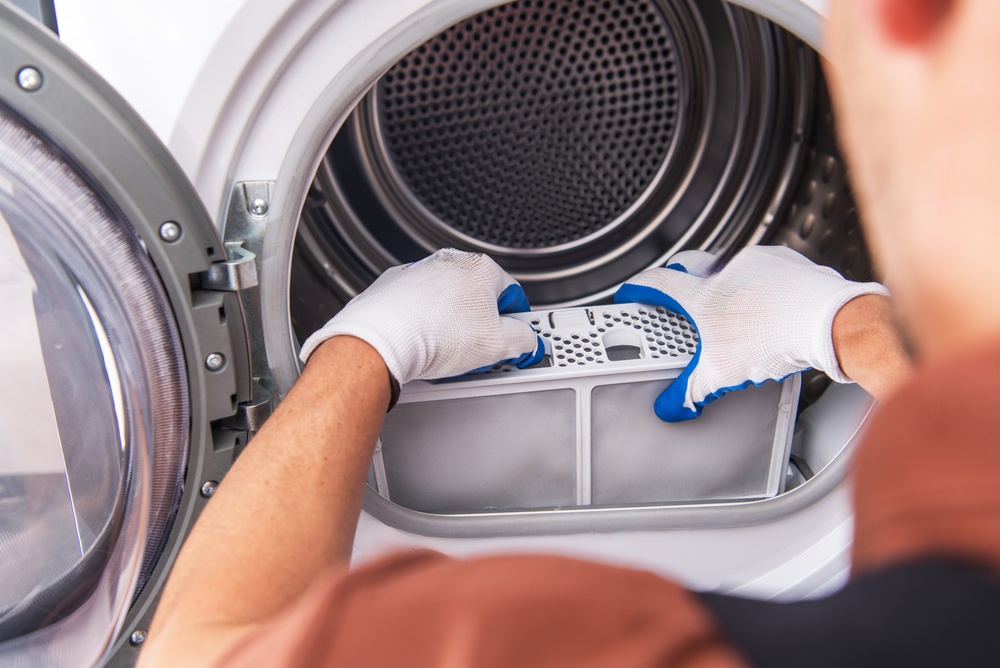
Freedom Appliances gets steady calls from Okotoks homes about a dryer not heating, and the scene is familiar. The drum spins, the timer counts down, yet the clothes come out cold and damp at the end of the cycle. A dryer not heating is one of the most common laundry faults we see, and it almost always traces back to a small, testable list of parts.
Understanding what fails, and why, helps you decide what is safe to check yourself and when to bring in a technician.
Why Is Your Dryer Not Heating?
The key thing to know is that a dryer uses two separate systems. One turns the drum, and a different circuit creates heat. That is why a machine can tumble happily while producing no warmth at all.
When the heat disappears but the motor runs, the fault sits somewhere in the heating circuit. Several parts share that circuit, and any one of them can break the chain.
- A heating element that has burned out or broken internally.
- A thermal fuse that blew after an airflow problem.
- A high-limit or cycling thermostat that failed open.
- A control or timer fault that never signals for heat.
Airflow Comes First
Before any part gets blamed, airflow deserves a hard look. A restricted vent traps hot air, overheats the cabinet, and trips the very safety devices designed to protect the dryer. Once those trip, the heat stops even though nothing is truly broken yet.
That is why a clogged vent is both a cause of a dryer not heating and a reason the same fault returns after a quick fix. Clearing the full vent path is part of a proper repair, not an afterthought.
Safe Checks You Can Make
You can gather useful clues without opening the machine. These steps also help our technician arrive prepared.
First, confirm the settings. An air-dry or fluff option runs the drum with no heat by design, and it is easy to select by accident. Switch to a normal heated cycle and feel for warmth after a few minutes.
Next, check the lint screen and the outdoor vent flap. A screen packed with lint or a flap that never opens both choke airflow and invite a repeat failure.
| Check | What you look for | Why it matters |
|---|---|---|
| Cycle setting | Heat option selected, not air-only | Rules out a simple user setting |
| Lint screen | Clear, not caked with fibres | Restored airflow protects the heat circuit |
| Outdoor vent flap | Opens when the dryer runs | Confirms exhaust is not blocked |
| Load size | Not overstuffed | Overloading traps heat and trips fuses |
When a Dryer Not Heating Needs a Technician
If the settings are right, the vent is clear, and the clothes still come out cold, the heating circuit itself has a failed part. Testing a thermal fuse, element, and thermostat calls for a meter and safe access to live components, which is where professional help pays off.
Clothes dryers are also a recognized fire concern when lint and airflow are ignored. The national safety guidance on clothes dryer fire prevention is worth a read, because a no-heat fault and a fire risk often share the same blocked-vent root cause.
Getting It Fixed Right
Our dryer repair experts test every part in the heat circuit during one visit, so the true failure is replaced rather than guessed at. That saves repeat trips and gets your laundry back on schedule.
You can learn more about the Red Seal technicians who handle these repairs, or simply reach our Okotoks team to describe the symptom and book a time.
What to Expect From Our Okotoks Visit
Our visit for a no-heat dryer follows a clear sequence so the fault is found once. We confirm the machine is calling for heat, then move along the heating circuit part by part with a meter rather than swapping components on a hunch.
Each safety device is there for a reason, so we treat a blown fuse as a clue, not just a part to replace. When a fuse has tripped, we look for the airflow or overheating problem that tripped it, then correct both together.
- We verify the cycle is set for heat, not air-dry.
- We test the thermal fuse, element, and thermostats in turn.
- We trace the full vent path from drum to outdoor flap.
- We confirm steady heat before the visit ends.
Why the Root Cause Comes First
Fixing the failed part without addressing airflow only sets up the next breakdown. A dryer that keeps losing heat is often telling you the vent is choking it, and that pattern repeats until the airflow is restored.
By solving both at once, we keep your laundry running and lower the strain on the whole machine. You leave the visit knowing why it failed and how to keep it from happening again.
Simple Habits That Protect the Heat
A few routines make a repeated no-heat fault far less likely. They take moments and pay off in reliable drying and safer operation for your Okotoks home.
Clean the lint screen before every load, and check the outdoor vent flap opens freely each season. Avoid cramming oversized loads that trap heat and moisture, since a packed drum is one of the quiet reasons a dryer not heating fault returns.
Give the machine room to breathe as well. A few centimetres of clearance behind the cabinet keeps the exhaust from kinking and helps hot, damp air escape the way it should.
Booking a quick service at the first sign of weak drying also spares you a bigger breakdown. A machine that runs longer than usual is often the earliest warning, and acting on it early keeps the repair simple and your laundry on schedule. Note when the change began, because that timing helps our team reach the right part faster.
Frequently Asked Questions
Why is my dryer running but not heating?
The motor and the heat source are separate systems, so the drum can spin with no heat. A blown thermal fuse, a failed element, or a tripped thermostat stops the heat while the drum still turns. A technician tests each part to find the failure.
Can a clogged vent cause a dryer not heating properly?
Yes. A blocked vent traps hot air and trips safety devices that cut the heat. Clearing the vent sometimes restores heat, but a tripped fuse usually needs replacement. Regular vent cleaning prevents most of these failures.
Is a dryer not heating dangerous to keep using?
Running a no-heat dryer wastes energy and can hide a lint or airflow problem that raises fire risk. It is safer to stop, clean the vent, and have the heating circuit checked before relying on it again.
How long does a dryer heating repair take?
Most heating faults are diagnosed in one visit, and common parts such as fuses and elements are frequently repaired the same day. We confirm the failed part first, then explain the fix before starting.
Book Your Okotoks Repair
Freedom Appliances serves Okotoks, Alberta and the surrounding communities. Call our team at (403) 889-6068 to describe the symptom and arrange a visit. We give an honest quote only after our technician assesses the appliance in person, so you know exactly what the fix involves before any work begins.
