
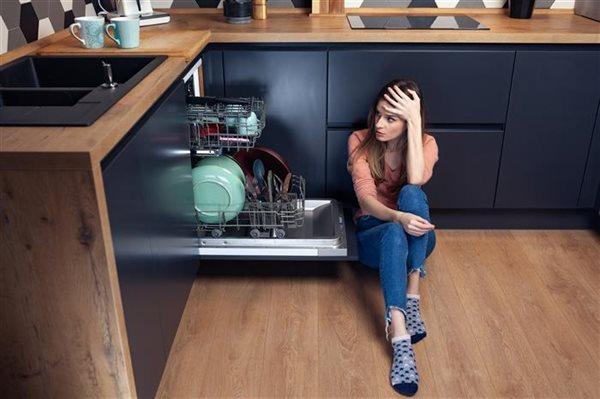
A dishwasher door won’t seal tight for many reasons, and every one of them deserves your attention. Water leaking onto your kitchen floor is more than a nuisance — it can warp flooring, damage cabinets, and drive up your repair costs. Freedom Appliances helps homeowners in Okotoks and the surrounding area get to the root of dishwasher problems fast. This guide walks you through the most common causes and what you can do about each one.
The Door Gasket Is Worn or Damaged
The door gasket is the rubber seal that runs along the inside edge of your dishwasher door. It creates a watertight barrier every time you close the door. Over time, this seal dries out, cracks, tears, or pulls away from its channel.
Inspect the gasket closely. Run your fingers along the full length of the seal. Look for any section that feels stiff, brittle, or noticeably thinner than the rest. Even a small gap in the gasket allows water to push through during a wash cycle.
Replacing a damaged gasket is one of the most common dishwasher repairs technicians perform. It is a straightforward fix, but you need the correct part number for your model. Using the wrong gasket means the seal still will not fit properly.
The Door Latch or Latch Strike Is Faulty
Your dishwasher door won’t seal tight if the latch does not engage fully. The latch holds the door pressed against the gasket. Without that firm pressure, the seal cannot do its job.
Check whether the door clicks firmly into place when you close it. If it feels loose or you have to push harder than usual, the latch assembly may be worn or broken. The latch strike — the part the latch hooks onto — can also bend or shift out of alignment over time.
A faulty latch is a safety concern as well. Some dishwashers will not start a cycle unless the latch signals that the door is fully closed. If your machine stops mid-cycle or refuses to run at all, a bad latch could be the reason.
The Door Hinges Are Bent or Misaligned
Dishwasher doors take a lot of abuse. People hang on them, overload the door rack, and pull the door open with more force than necessary. All of that stress bends and weakens the hinges over time.
A bent hinge causes the door to hang at a slight angle. That angle creates an uneven gap between the door and the tub opening. The gasket cannot compress evenly across a gap like that, so water escapes.
Hinge replacement requires removing the door panels and disconnecting the door springs. This job is best handled by a qualified technician. Incorrect reassembly can make the problem worse or create a new safety hazard.
Detergent Buildup Along the Door Frame
Soap residue and hard water deposits build up along the door frame and in the gasket channel. That buildup acts as a spacer, preventing the gasket from compressing fully against the tub opening.
Clean the gasket and the frame with a damp cloth and white vinegar. Pay close attention to the corners — residue collects there first. Do this monthly to keep the seal performing at its best.
Hard water is a common issue in Okotoks. Mineral deposits harden quickly and can become difficult to remove without the right cleaning approach. If standard cleaning does not clear the buildup, a descaling solution designed for appliances will do a better job.
The Dishwasher Is Not Level
A dishwasher that sits unlevel rocks slightly during operation. That movement shifts the door out of alignment with the tub opening. The gasket cannot maintain consistent contact when the door shifts around.
Use a level tool on the floor of the tub to check whether your dishwasher sits flat. Most units have adjustable legs at the front. Turning those legs raises or lowers each corner until the machine sits perfectly level.
If the unit has shifted because the mounting brackets have loosened, tighten those as well. A secure, level dishwasher puts less stress on every other component, including the door seal.
Overloading the Dishwasher
Tall items in the upper rack can prevent the door from closing fully. A cutting board, a pot lid, or an oversized tray can lean against the door and keep it from seating all the way. The gasket takes the hit.
Always check that nothing blocks the door before starting a cycle. Load tall items toward the back or sides of the rack. Make sure the spray arms can spin freely as well — a blocked spray arm changes water pressure inside the tub and can push water toward weak points in the seal.
The Tub Opening Is Warped or Damaged
In rare cases, the dishwasher tub itself warps along the opening. This happens from years of heat cycling, heavy impact, or a manufacturing defect. A warped tub opening means the gasket has no flat surface to press against, so the seal fails no matter how good the gasket is.
This type of damage is less common, but it does occur in older machines. A technician can identify warping during an inspection. In most cases, warping of this degree means the unit needs replacement rather than repair.
When Your Dishwasher Door Won’t Seal Tight: Call a Professional
Some of these fixes are within reach of a confident DIYer. Cleaning the gasket, leveling the machine, and clearing a dish rack obstruction take very little time. But a dishwasher door won’t seal tight for long if the underlying problem is mechanical damage that has not been properly diagnosed.
Freedom Appliances provides expert appliance repair across Okotoks. Our technicians diagnose the real cause of the problem and fix it right the first time. We also handle a full range of other appliance issues, including dryer repair and oven repair for homes throughout the region.
If you run a commercial kitchen or food service operation, a leaking dishwasher or a failing refrigeration unit can stop service entirely. Our team also supports commercial clients through commercial refrigeration repair services, keeping your equipment running when it matters most.
Do not ignore a leaking dishwasher. Small leaks become big problems when water reaches the subfloor. If your dishwasher door won’t seal tight and the basic checks have not solved it, call a technician who knows these machines inside and out. Book your repair appointment with Freedom Appliances today and get your kitchen back in order.
Frequently Asked Questions
Why does my dishwasher door won’t seal tight even after I replaced the gasket?
The replacement gasket may not be the correct part for your model. It could also be seated incorrectly in the channel. A misaligned door hinge or a warped tub opening can also prevent a new gasket from sealing properly.
Can I still run my dishwasher if the door seal is leaking?
It is not a good idea. Running a dishwasher with a leaking door seal risks water damage to your floor, cabinets, and the underside of your countertop. Stop using the machine and get the seal repaired before running another cycle.
How long does a dishwasher door gasket typically last?
Most gaskets last between five and ten years, depending on usage frequency and water quality. Hard water areas like Okotoks can shorten that lifespan. Regular cleaning helps the gasket stay flexible and last longer.
Is a leaking dishwasher covered under home insurance?
That depends on your specific policy and the cause of the leak. Sudden and accidental damage is sometimes covered, but gradual leaks from wear and tear usually are not. Check your policy details and speak with your insurer before filing a claim.
How much does dishwasher door seal repair typically cost?
Gasket replacement is usually one of the more affordable dishwasher repairs. Latch or hinge repairs may cost more depending on parts and labour. A technician from Freedom Appliances will assess your machine and give you a clear quote before any work begins.
