
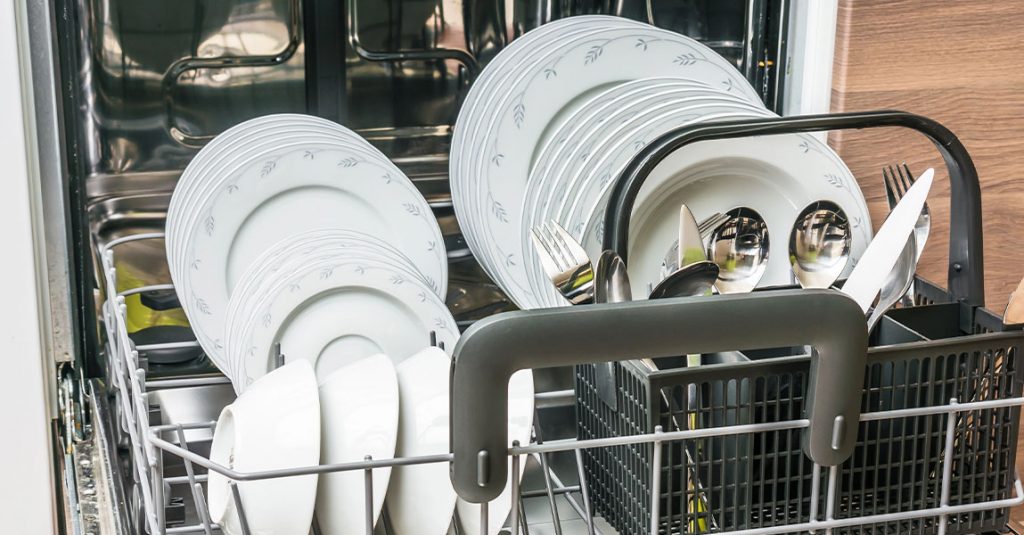
Living in the beautiful town of Okotoks means we enjoy great views and a wonderful community. However, our local water supply brings a hidden challenge into our kitchens every single day. Okotoks is famous for having very “hard” water, which means it contains high levels of minerals like calcium and magnesium. While these minerals are safe to drink, they act like liquid rock inside your home appliances. Our team at Freedom Appliances Okotoks sees the damage this causes firsthand. We want to show you how to protect your machine and keep your dishes sparkling.
When hard water gets hot inside your dishwasher, the minerals separate from the liquid and stick to everything they touch. This creates a white, crusty buildup that we call “scale.” Over time, this scale clogs the moving parts and coats the heating element. If you notice that your glasses look cloudy or your plates feel gritty, the water is likely the culprit. We believe that understanding your water quality is the first step toward avoiding an expensive breakdown. By taking a few simple steps, you can save your appliance from the slow “choke” of mineral buildup.
Signs of Mineral Scale Inside Your Pump
The pump serves as the heart of your dishwasher, pushing water through the spray arms to scrub your dishes clean. When scale builds up inside the pump housing, it creates friction that wears down the motor. You might start to hear a loud humming or grinding noise during the wash cycle. This sound usually means the pump is struggling to spin through the crusty mineral deposits. If you ignore these noises, the motor will eventually burn out completely.
In addition to noise, scale can cause your dishwasher to leak onto your kitchen floor. The minerals often build up around the rubber seals and gaskets that keep the water inside the machine. As the scale hardens, it makes the rubber brittle and creates small gaps. Once a gap forms, water can seep through and cause damage to your cabinets and flooring. We recommend calling for Dishwasher Repair Okotoks the moment you see a puddle or hear a strange sound. Catching these leaks early prevents mold and saves you from a much larger repair bill later on.
The Best Way to Descale Your Machine at Home
We want to help you stay ahead of the minerals before they cause a total failure. The most effective way to protect your machine involves a regular descaling routine. You can use a store-bought dishwasher cleaner once a month to dissolve the calcium. Simply place the cleaner in the detergent cup and run the hottest cycle possible while the machine is empty. The high heat combined with the cleaner breaks down the “rock” and flushes it out through the drain.
If you prefer a more natural approach, you can use plain white vinegar. We suggest placing a bowl filled with two cups of vinegar on the top rack of your empty dishwasher. Run a full cycle on the hottest setting without any detergent. The acid in the vinegar eats away at the mineral buildup on the walls, the racks, and the spray arms. This simple trick keeps the internal pipes clear and ensures your water pressure stays strong. Making this a habit once a month will extend the life of your appliance by several years.
Why Cloudy Glasses Are a Warning Sign
Many people think cloudy film on their glassware is just a sign of cheap soap. In reality, that white haze is actually a thin layer of Okotoks minerals. When the water evaporates during the drying cycle, it leaves the calcium behind on your cups. This tells us that the mineral levels in your machine are getting too high. If the minerals are sticking to your glasses, they are definitely sticking to the internal sensors and the heating element as well.
The heating element is a metal loop at the bottom of the tub that gets glowing hot to dry your dishes. If a thick layer of scale coats this element, it cannot release heat into the air efficiently. This causes the element to work much harder and stay on longer, which increases your monthly electricity bill. Eventually, the element will crack or “pop” because it gets too hot under the scale. We suggest checking the bottom of your dishwasher for any white crust. If you see it, it is time to give your machine a deep clean.
Cleaning the Spray Arms for Better Performance
The spray arms have tiny holes that shoot water at your dishes from different angles. Hard water minerals love to settle in these small openings and plug them up. When half of the holes are blocked, your dishwasher cannot reach every corner of the tub. This leaves you with dirty forks and greasy plates even after a long cycle. We recommend removing the spray arms once every few months to check for clogs.
You can usually twist the spray arms off by hand. Once they are out, use a toothpick or a small needle to poke the mineral “stones” out of the holes. Rinse the arms under your kitchen tap to make sure the water flows freely through every opening. This quick task ensures that your machine uses its full power to clean your dishes. If you find that the spray arms are stuck or won’t spin, you should Contact Us so we can check the mounting brackets for mineral damage.
The Importance of Using the Right Detergent
In a hard water town like Okotoks, the type of soap you use makes a big difference. Some cheap detergents do not have the right chemicals to fight off minerals. We suggest looking for detergents that include “water softeners” or “rinse aids” right in the pod. These additives help the water slide off the dishes more easily, taking the minerals with it. Using a separate rinse aid liquid is also a great idea for our local climate.
Rinse aid acts like a shield that prevents the calcium from grabbing onto your plates. It also helps the water drain more quickly, which reduces the amount of scale left behind in the sump area. We have found that customers who use a high-quality rinse aid have much cleaner machines and fewer pump problems. It is a small investment that protects the most expensive parts of your dishwasher. We take pride in helping our neighbours find the best ways to maintain their homes.
Staying Proactive with Professional Maintenance
We believe that prevention is much better than a cure. You should not wait for your dishwasher to stop draining or start leaking before you think about maintenance. A professional tune-up once a year allows us to check the internal hoses and valves for any signs of mineral wear. We can clean out the parts of the pump that you cannot reach at home. This keeps your kitchen running smoothly and gives you peace of mind.
Our team at Freedom Appliances Okotoks understands exactly how the local water affects every brand of dishwasher. We treat your appliances with care and always look for the most affordable solution to your problems. If your machine is already acting up, we have the tools to descale it professionally and replace any damaged parts. Let us handle the technical work so you can enjoy your time with your family in a clean, happy home.
FAQ
Why does my dishwasher smell like rotten eggs?
This smell usually comes from a buildup of food scraps and minerals in the filter. When the water sits in the bottom of the machine, the bacteria grow in the trapped gunk. Cleaning your filter once a week and running a vinegar cycle will solve this problem.
Can I use a water softener to save my appliances?
Yes! A whole-home water softener is the best way to protect all your appliances, including your dishwasher, laundry machine, and water heater. It removes the minerals before they ever enter your pipes, which stops the scale from forming in the first place.
Is it safe to use CLR in my dishwasher?
You should only use cleaners that are specifically labeled for dishwashers. Some industrial descalers like CLR can be too harsh for the delicate plastic and rubber parts inside your machine. Always read the label to make sure the product is safe for kitchen appliances.
Why is there a white film on my plastic containers?
Plastic is very porous, which means the minerals find it easy to stick to the surface. This film is a clear sign of hard water. Using a rinse aid and a high-quality detergent is the best way to keep your plastic items looking new.
How do I know if my heating element is broken?
If your dishes are still soaking wet at the end of the cycle, your heating element might have failed due to scale buildup. You can also look for dark spots or cracks on the metal loop at the bottom of the tub. If it looks damaged, it needs to be replaced.
Why is my dishwasher taking longer than usual to finish?
Many modern dishwashers have sensors that check how clean the water is. If scale is blocking the sensors, the machine might get “confused” and keep running the cycle longer than it needs to. Cleaning the sensors usually fixes this timing issue.
