
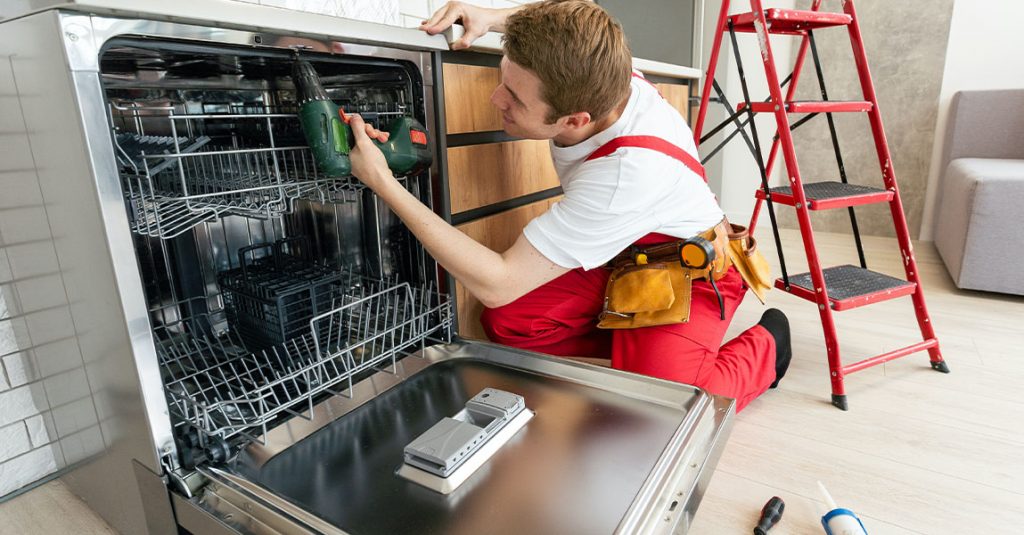
Dishwashers are meant to make our lives easier. But when water starts leaking out onto the floor, everything becomes frustrating fast. Overflowing usually means something inside isn’t working right, but the real issue might be simpler than expected. We deal with these cases often, and many homeowners are surprised by the cause. It’s not always about broken parts or costly repairs. Sometimes, it just takes a closer look at a few overlooked things to get everything back in order.
A Clogged or Dislodged Float Assembly
The float inside your dishwasher controls water intake. It rises as the water level rises and signals the machine to stop filling. If it sticks, gets knocked out of place, or clogs with debris, the dishwasher won’t know when to stop filling. Consequently, the unit continues to take in water until it overflows.
We’ve found that food bits, soap scum, or even a child’s spoon can block this part. A quick visual check under the bottom rack can often reveal the issue. The float should move freely up and down without resistance. If it’s stuck, gently cleaning around it with a cloth and warm water may solve the problem.
If the float seems fine but water still floods the bottom, the problem might be the switch that reads its position. For that kind of situation, it’s best to consider professional dishwasher repair in Okotoks. Trained eyes can test the float switch safely without risking more damage.
Too Much Detergent or the Wrong Type
Using the wrong kind of soap might seem harmless, but it’s one of the most common causes of dishwasher overflow. Some people mistakenly use regular dish soap instead of detergent meant for dishwashers. This produces excessive suds, which easily spill over and leave a mess on the floor.
Even proper detergent can become a problem if used in high amounts. Modern machines need far less than older ones. As a result, putting in too much leads to bubbles that overwhelm the system. Look inside after the cycle starts. If you see thick foam forming early, this could be your issue.
Stick to detergent labeled for dishwashers only, and use the lowest amount suggested by the manual. In many cases, switching products or reducing the dose stops the overflow completely. Still, if bubbles persist and cause flooding even after correcting usage, it may be worth scheduling appliance repair in Okotoks to ensure no internal seals have been compromised.
A Blocked Drain Line or Garbage Disposal
Blocked drains are another simple cause that many overlook. If the dishwasher can’t drain properly, dirty water builds up and eventually leaks from the bottom. Food scraps, grease, or buildup in the disposal connection all make this worse over time.
Open the cabinet under your sink and check the hose that runs from the dishwasher to the drain or disposal. Kinks, clogs, or sharp bends prevent proper flow. In addition, if you recently replaced your garbage disposal and forgot to remove the drain plug, your dishwasher won’t empty at all.
Running a short rinse cycle while observing the drain hose can help. If water backs up or exits slowly, a blockage is likely. For persistent drainage problems that create puddles or leaks, it’s usually smarter to call in local dishwasher repair professionals who can clear it without damaging any surrounding lines.
Leaky Door Seals and Gasket Problems
When a dishwasher overflows, not all water comes from the bottom. Worn-out or dirty door seals cause water to seep out during cycles. These gaskets run along the inside edge of the door and keep the wash area sealed shut.
Over time, food particles or minerals from hard water can stick to these rubber edges, breaking the seal. In other cases, the gasket flattens, cracks, or slips out of place. When that happens, water will escape even if everything else is working perfectly.
Run your hand along the gasket edge to feel for damage or buildup. If the rubber is dry, brittle, or won’t sit flush against the door, that’s likely the reason for the leak. Cleaning it with warm water and a toothbrush may improve the seal temporarily, but a damaged gasket needs replacing. You can always reach out to us directly through Freedom Appliances contact page for guidance or booking.
Faulty Water Inlet Valve
While most overflow problems come from blockages or user error, a malfunctioning inlet valve can also be the culprit. This valve controls how much water enters your dishwasher at the beginning of each cycle. If it sticks open, water keeps flowing until it spills over.
Testing this part requires removing the kick plate at the base of the unit. You may hear a hissing sound if the valve leaks or doesn’t shut properly. In some cases, even when the machine is off, water continues to fill slowly.
A damaged inlet valve isn’t something to ignore. It can lead to bigger issues like electrical shorts or kitchen damage. Replacing the valve is usually straightforward for a technician. For safety and results, appliance service makes more sense than a trial-and-error DIY fix.
Dishwasher Not Sitting Level
Sometimes the problem isn’t inside the machine at all. If your dishwasher tilts slightly forward, even a small amount of extra water during a cycle can run toward the front door and leak out. This is especially true for newer kitchens with soft floors or loose leveling feet.
Open the door halfway and place a level on the edge to check alignment. You’ll want the machine to lean just a touch toward the back. That way, water collects at the rear drain without reaching the door seal. Adjusting the legs underneath usually takes just a few minutes and stops leaks instantly.
A sloped or shifting floor may also contribute to drainage problems. If the problem keeps coming back after adjustments, we recommend an inspection from a technician familiar with appliance repair in Okotoks to evaluate installation and drainage setup.
Tips to Prevent Overflow in the Future
Overflowing dishwashers are messy and inconvenient, but the good news is that many cases are avoidable with regular habits. Maintenance doesn’t need to be complicated or time-consuming. A few minutes every week can save hours of cleanup and possible water damage.
- Rinse food off plates before loading
- Use only the amount of detergent listed
- Clean the float switch area monthly
- Inspect and wipe the door seal every two weeks
- Run a vinegar rinse every 30 days to reduce buildup
- Watch for early signs like pooling water or longer drain times
Following this checklist helps your dishwasher run better and reduces the risk of overflow. Simple habits like wiping the door gasket or checking for kinks in the drain hose make a big difference over time.
FAQs
What causes a dishwasher to overflow with clean water?
A stuck float or faulty inlet valve is the most common cause. These parts fail to signal the machine to stop filling.
Is it safe to run the dishwasher if it’s leaking water?
No. Running it while leaking risks water damage or electrical shorts. Always inspect and turn off the water supply if unsure.
Can too many dishes cause overflow?
Yes. Overloading can block spray arms or float mechanisms, affecting how the dishwasher senses water levels.
How do I know if my drain hose is blocked?
Watch the end of the cycle. If water stays in the tub or backs up into the sink, your hose might be clogged or misaligned.
Do all overflows mean something is broken?
Not always. Many cases come from detergent misuse, improper leveling, or loose seals rather than broken parts.
If your dishwasher keeps overflowing and simple checks haven’t solved the problem, we’re here to help. Book a service visit anytime through Freedom Appliances contact page and we’ll take care of the rest.
