
When your oven shuts off mid-bake, it turns a simple dinner into a frustrating experience. We often expect the oven to hold its temperature until the timer beeps. Instead, the cycle breaks halfway through, leaving uncooked food and wasted time. This kind of interruption feels random at first. However, there are consistent reasons behind it. Most causes relate to sensors, airflow, or power supply. Understanding each of them helps identify the real issue, avoid repeat interruptions, and protect the appliance from long-term damage.
Faulty Temperature Sensors Cause Inconsistent Heat
Every oven uses internal sensors to monitor temperature. These parts send constant signals to the control board. That is to say, they tell the appliance when to stop or restart the heating element. When these sensors wear out or fail, the oven may shut off early as a safety response.
If the sensor sends incorrect readings, the appliance could falsely detect overheating. Consequently, it turns off the heat to protect itself. This is more common in older ovens where parts start degrading due to repeated exposure to high heat. In some cases, the sensor becomes loose or misaligned inside the cavity. That minor shift is enough to affect readings and cause temperature errors.
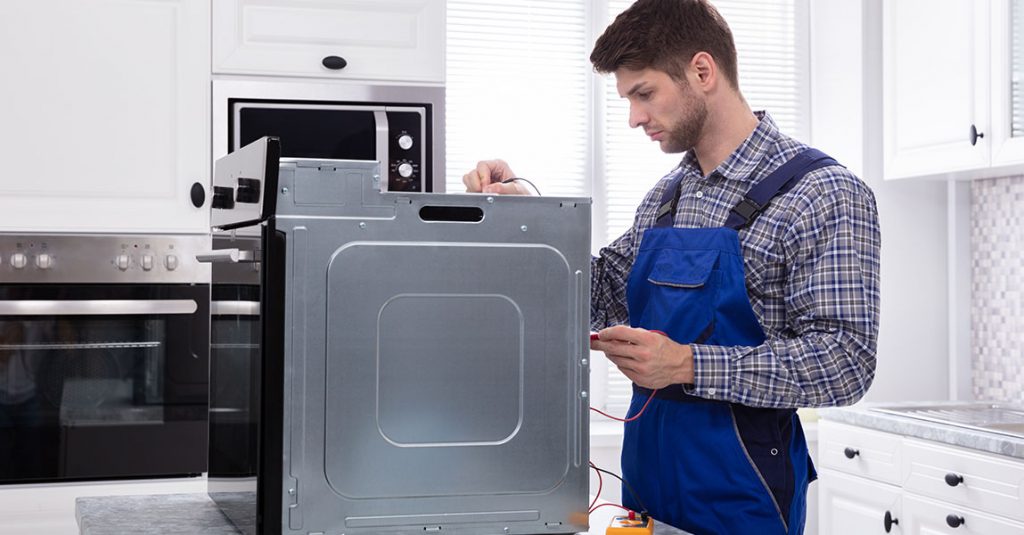
We usually test the sensor with a multimeter to check its resistance at room temperature. If it gives odd or inconsistent results, a replacement is the best next step. For expert diagnosis, it helps to schedule appliance repair in Okotoks and let a technician confirm the root cause.
Power Supply Problems Interrupt the Bake Cycle
Another reason the oven might shut off mid-cycle is unstable power. If the unit loses electricity for even a second, it resets or powers down. The issue might come from inside the appliance or from the wall outlet. That makes it harder to spot without the right tools.
We’ve seen cases where loose terminal blocks inside the oven cause a flicker. Similarly, burnt wires or tripped breakers can cut power during baking. In newer homes, a sudden drop in voltage may affect digital ovens more often. Power loss doesn’t always mean lights out. Instead, it could be a quick, unnoticed dip.
To rule this out, we check the outlet voltage using a meter while the oven runs. This helps catch momentary drops. If the outlet shows inconsistency, it may require an electrician. But if the oven wiring is the culprit, we focus on tightening or replacing damaged sections.
Overheating Protection Engages Too Early
Ovens are built with safety shut-off features. One of them is a high-limit thermostat that stops heating when temperatures go too high. However, when airflow is blocked or fans stop working, the temperature inside the cabinet rises too fast. As a result, the thermostat trips early and shuts down the cycle.
This typically happens when something blocks the back vents or the oven is overloaded. In other cases, a failed cooling fan causes hot air to stay trapped, heating up nearby wiring. Most people don’t realize that the area behind the oven matters just as much as the inside.
Our team recommends leaving at least a few inches of clearance behind and above the appliance. That extra space keeps airflow moving. Cleaning out the back panel vents helps too. If the fan stops spinning, it often needs repair or replacement. For those not sure where to begin, it’s best to start with a visit from an oven repair Okotoks professional who can inspect the cabinet and internal fan.
Control Board Fails or Freezes Mid-Cycle
Modern ovens depend on control boards to manage every step of the bake process. If this component becomes damaged, it may cause random shutdowns. Faulty relays, old solder joints, or heat-stressed circuits can all lead to system resets.
We sometimes see control boards that only fail when internal temperatures rise. They function fine while cold but fail under heat. That pattern creates shutdowns partway through the cycle. The board might reboot itself or shut down entirely until the appliance cools off.
A technician usually inspects the board for signs of burning, cracking, or shorted connections. Replacing the board is often necessary when software updates or resets don’t resolve the problem. While these parts are more expensive, they usually restore full function when other causes are ruled out.
Door Latch or Sensor Interruption Mid-Bake
The oven door has its own safety system. A sensor checks that the latch stays in place while baking. If the sensor disconnects or if the door jiggles loose, it may trigger a safety shutdown. That is especially common in self-cleaning models where the door locking mechanism wears down faster.
We recommend gently checking the latch for looseness. Likewise, avoid leaning on the door or slamming it closed. A faulty door switch may need adjustment or replacement to fix the issue. These components are small but essential for keeping the cycle running without interruption.
Additionally, grime or grease near the door sensor can interfere with contact. Cleaning that area may stop the shut-off from repeating. We often inspect the entire door section when troubleshooting mysterious oven stops during bake mode.
Timer Settings or Delayed Start Conflicts
Sometimes the issue isn’t mechanical at all. Many ovens have digital features that include bake timers, automatic shutoff, or delayed start. If these settings are accidentally triggered, the unit shuts off right on schedule.
In some cases, a user might press the timer instead of bake. That means the oven heats briefly, then stops as the timer runs out. Likewise, delayed start can confuse users if the display doesn’t show clear feedback. These features are helpful, but easy to misprogram.
We advise checking the control panel before each use. Make sure the oven is set to bake, not timed bake. Cancel any active timers if the oven turns off unexpectedly. If the display is unclear, resetting the unit or checking the manual helps get the system back to default mode.
Moisture and Grease Buildup Near Components
Over time, moisture and food residue can reach deeper parts of the oven. That includes areas near the control board, sensors, or wiring. When this buildup spreads, it may cause electrical interruptions or short circuits during baking.
This is common after boil-overs, roasts with heavy splatter, or years of normal use. As a result, components no longer maintain stable contact, especially under heat and humidity. That can explain shutdowns that don’t appear linked to any clear hardware failure.
We encourage regular deep cleaning, especially behind the knobs and near the vents. If moisture damage is suspected, the only way to confirm is to open the rear panel and inspect for corrosion or grease trails. In some homes, high humidity levels in the kitchen contribute to the issue, and better ventilation helps prevent it.
Internal Fuse Trips During Cooking
Most ovens include a thermal fuse that breaks the circuit if overheating occurs. Once it trips, the appliance either shuts off or stops heating. Some fuses reset after cooling, while others must be replaced.
This issue often points to a deeper problem like blocked airflow or faulty insulation. If the fuse trips repeatedly, something inside the oven is creating too much heat or trapping it inside. While replacing the fuse fixes the immediate problem, we always investigate why it failed in the first place.
To avoid repeat issues, it’s important to find the trigger. That might be insulation falling out of place, damaged seals, or heat collecting in the wrong zone. For accurate testing and safe replacement, contact Freedom Appliances and speak with a repair technician.
FAQs
What should I check first if my oven keeps shutting off?
Start by checking if the timer or delay start is accidentally active. Then test the outlet power and make sure nothing is blocking airflow.
Can a dirty sensor cause the oven to stop mid-cycle?
Yes. Grease or food residue on the sensor may interfere with accurate readings and cause the oven to think it is overheating.
Is it safe to keep using the oven if it turns off randomly?
No. Random shutdowns may be a sign of an electrical problem or a faulty safety sensor. It’s best to have it inspected before further use.
Does a tripped thermal fuse fix itself?
Some thermal fuses reset automatically, but many require replacement. If your oven stays off, the fuse might need changing.
Why does the oven shut off only during longer bake times?
This usually points to overheating or control board failure. Parts may fail only when exposed to extended heat, which interrupts the cycle.
